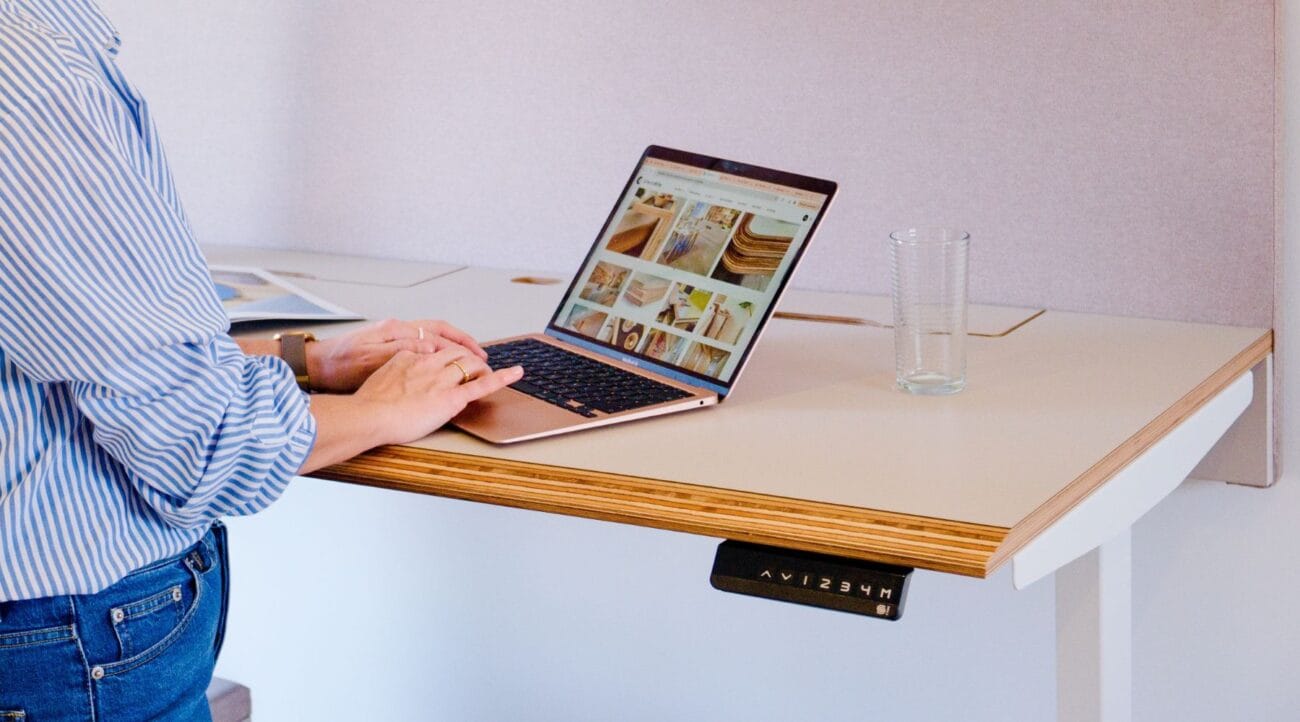
We develop design furniture from sustainable materials.
As furniture makers we respect our tradition, and sustainability is part of who we are. Our roots are in honest craft, which we combine with modern technology and a responsible approach to the environment.
We’re building on 80 years of Woodever tradition, with a clear vision of a sustainable future for the generations to come.
We develop design furniture from sustainable materials.

We build on environmentally friendly production principles.

We use digitalisation in production to minimise errors and defective pieces.

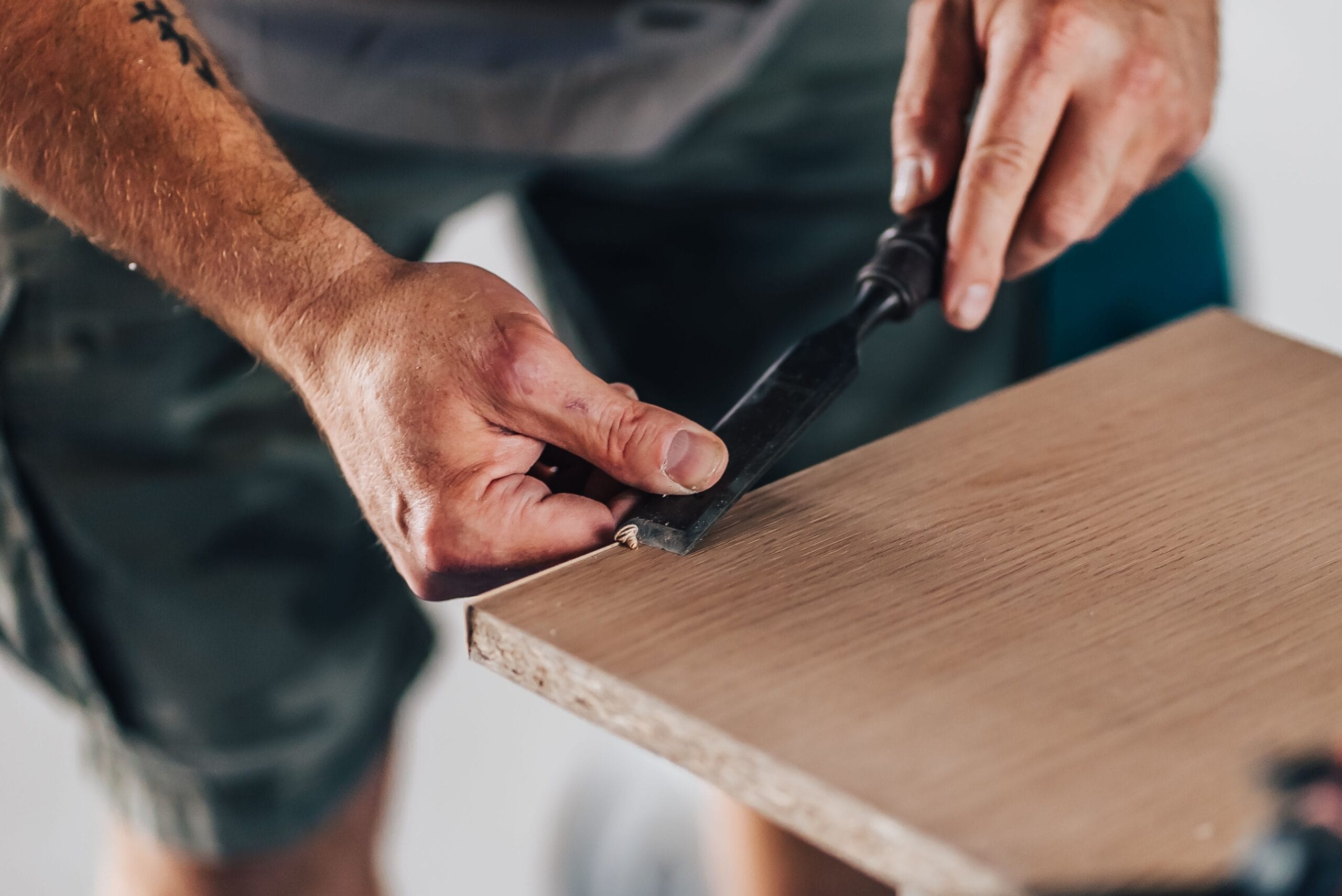
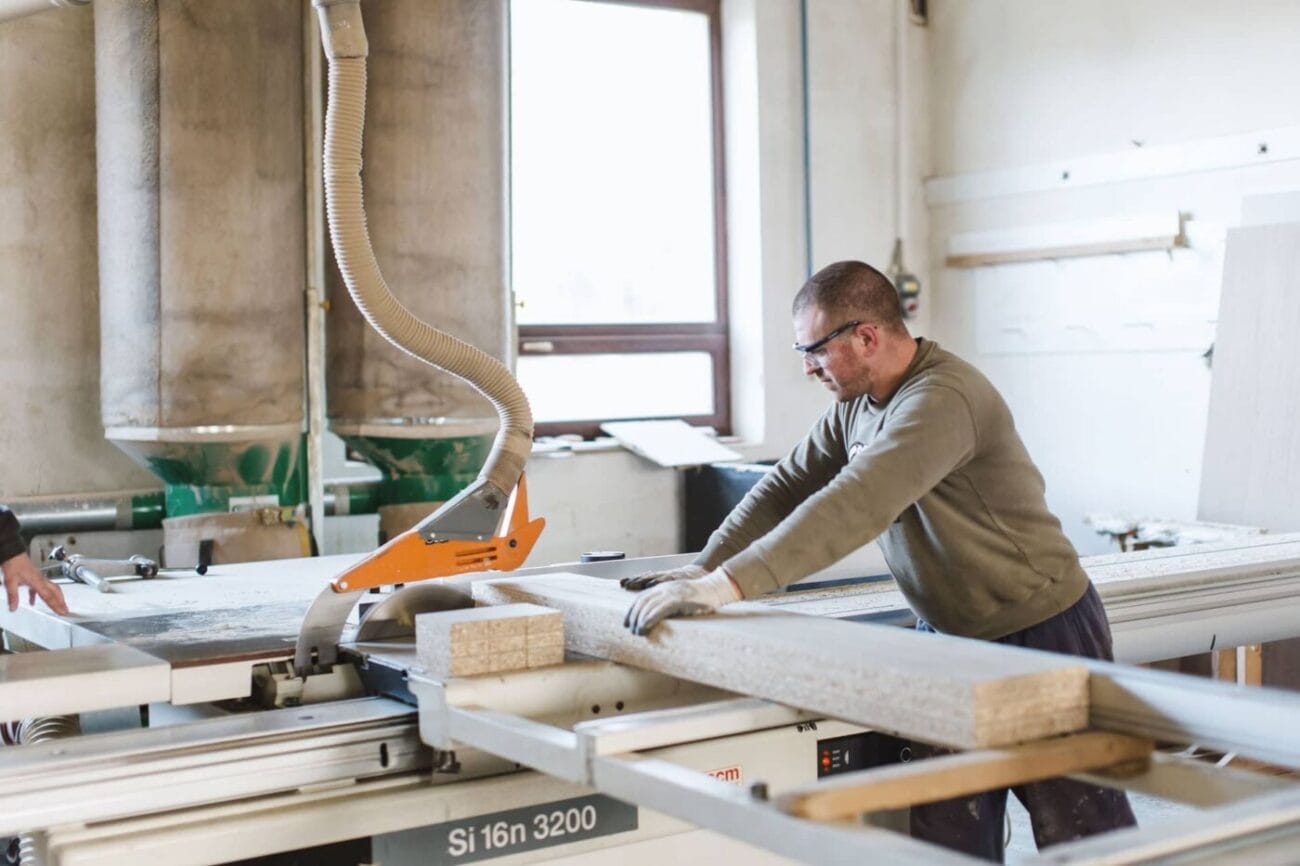
We upcycle and turn offcuts into new products.

We create 3D product models so production can be repeated.

We support young joiners through their studies and at the start of their careers.

We contribute to the life of the local community in our region.

We build our long-term plans around our ESG strategy.
Our ESG strategy is a key part of how we grow, and we believe it will help us create value for our customers — and for the generations that follow.
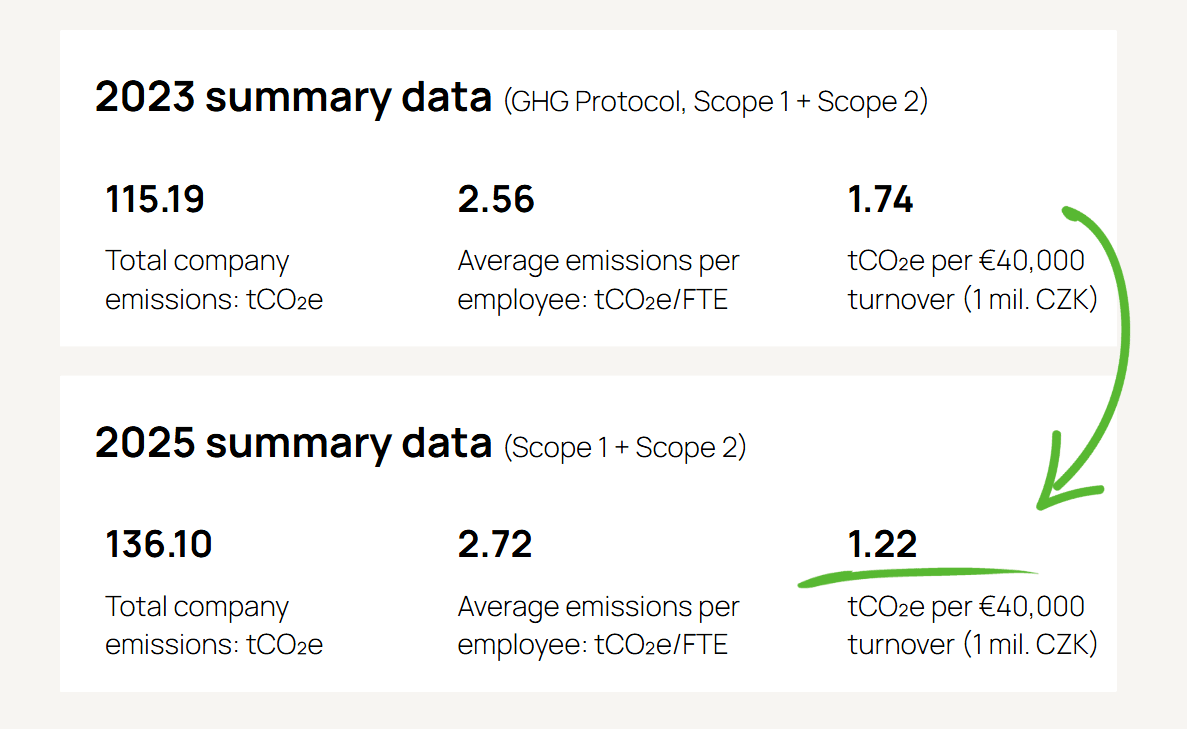
We’ve measured our carbon footprint since 2023, in line with the international GHGP standard and ISO 14064. By 2035 we want to cut it by 20% per unit of turnover. We’re digitalising production so no machine runs needlessly, and we invest in technology that saves energy. It doesn’t stop at production — we’re greening our operations too. By 2030 we’ll replace part of the company fleet with electric vehicles and move to lower-impact finishes in our paint shop.
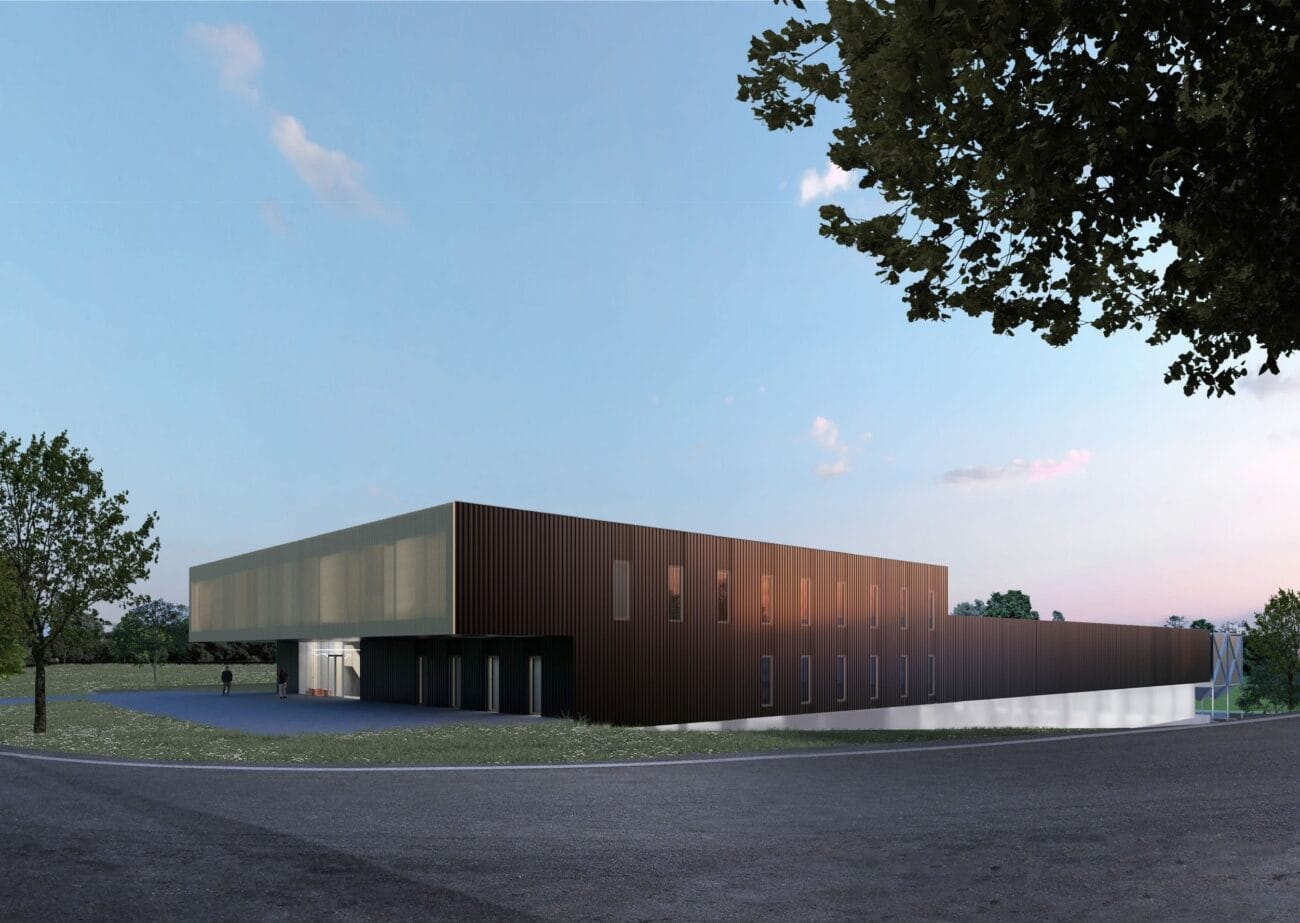
By 2030 we will build a modern furniture centre, bringing together sustainable manufacturing s podporou the local joinery tradition. We’ve designed the whole site to the highest environmental standards, using renewable energy and smart material management. The aim is a place that’s kind to the environment, good for the region and an inspiration for the future of furniture making.
Wood is naturally sustainable, but for us it also has to have a verified origin. So we’re committed to buying from responsibly managed sources. By 2035 we’ll make sure 70% of the timber we buy carries FSC/PEFC certification. We’re also developing furniture from alternative materials, such as recycled plastic and hemp. These materials save natural resources and open up new possibilities in design and function. For every new material we track its carbon footprint and its overall environmental impact.
We always think about how production waste can get a second chance. Offcuts from making promotional sun loungers become practical things like laptop stands. And that’s the direction we want to keep going in. By 2030 we plan to recycle 90% of production waste and find further uses for it, either in other products or in energy recovery. When we design new products we focus on ecodesign: products that last longer, are easy to repair and use fewer primary raw materials. We’re also preparing a take-back programme. Customers will be able to return furniture at the end of its life; we’ll dismantle it, recycle it and use it as material for new production.
We’re pushing the boundaries of what furniture can be made from, looking for ways to combine looks, function and environmental benefit.
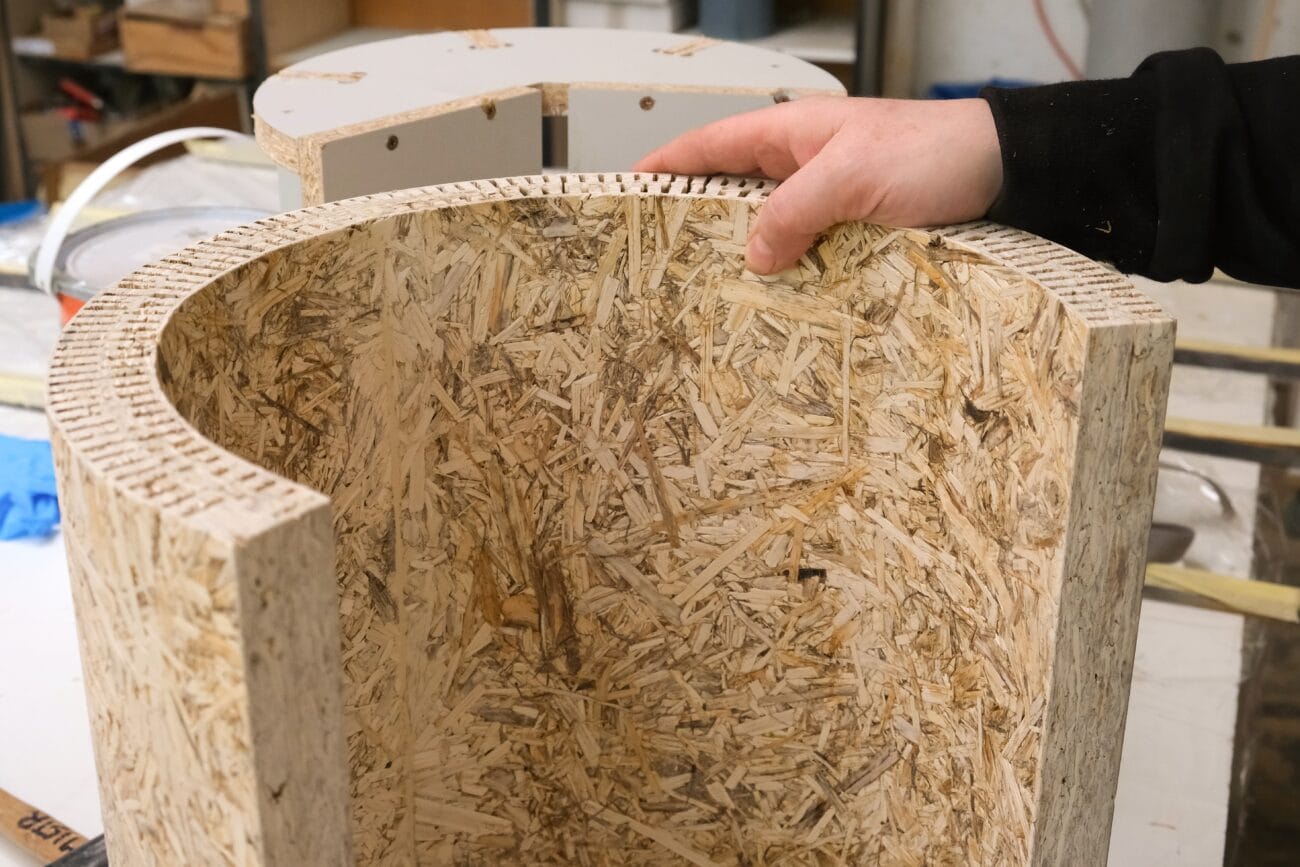
We’ve worked with experts from Mendel University for years, helping them test new production materials in practice. The current topic is industrial hemp. On the shop floor we study how hemp boards and raw materials behave when machined. We test their strength, look for production limits and discover new possibilities.
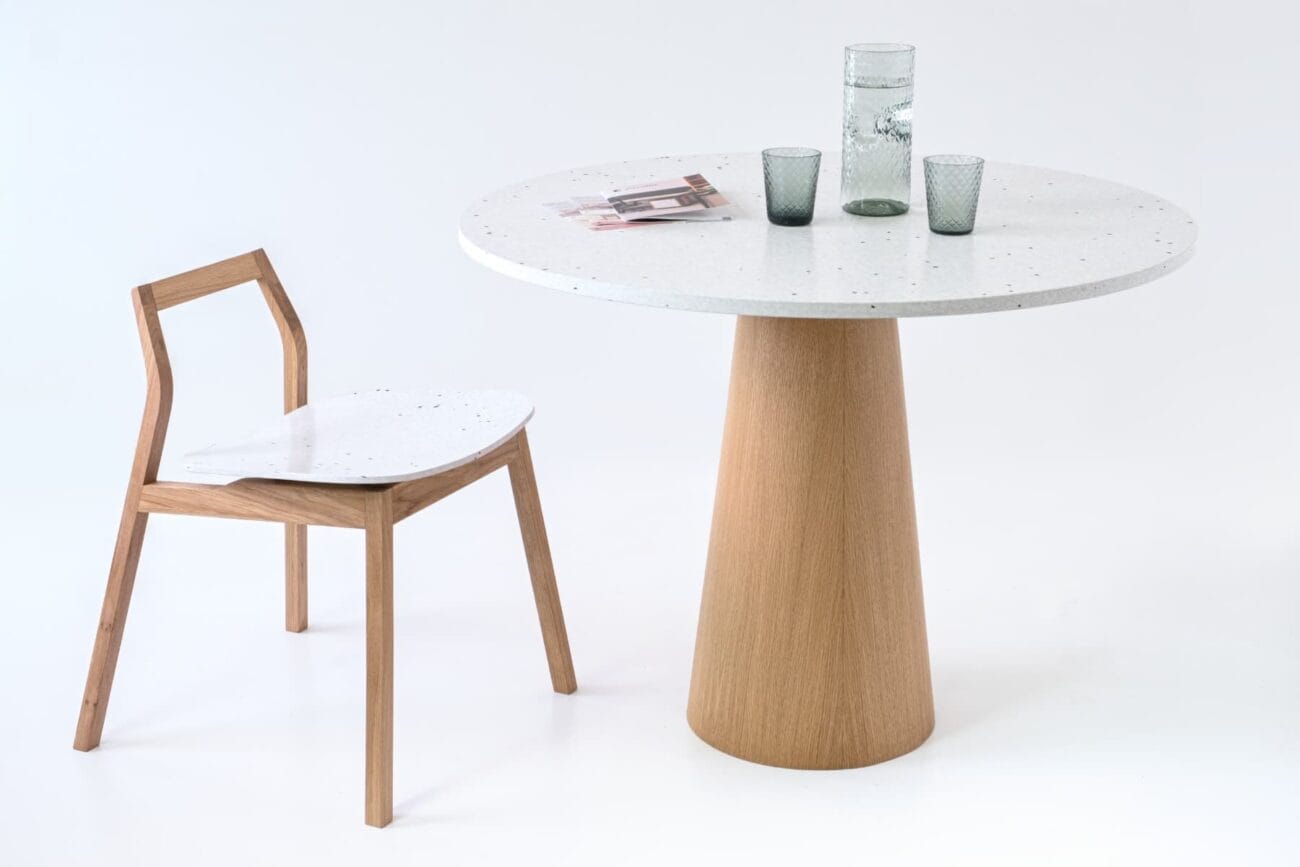
With the Brno company PlasticGuys we’ve created the Nuwa furniture collection, where wood is paired with recycled panels made from plastic waste.
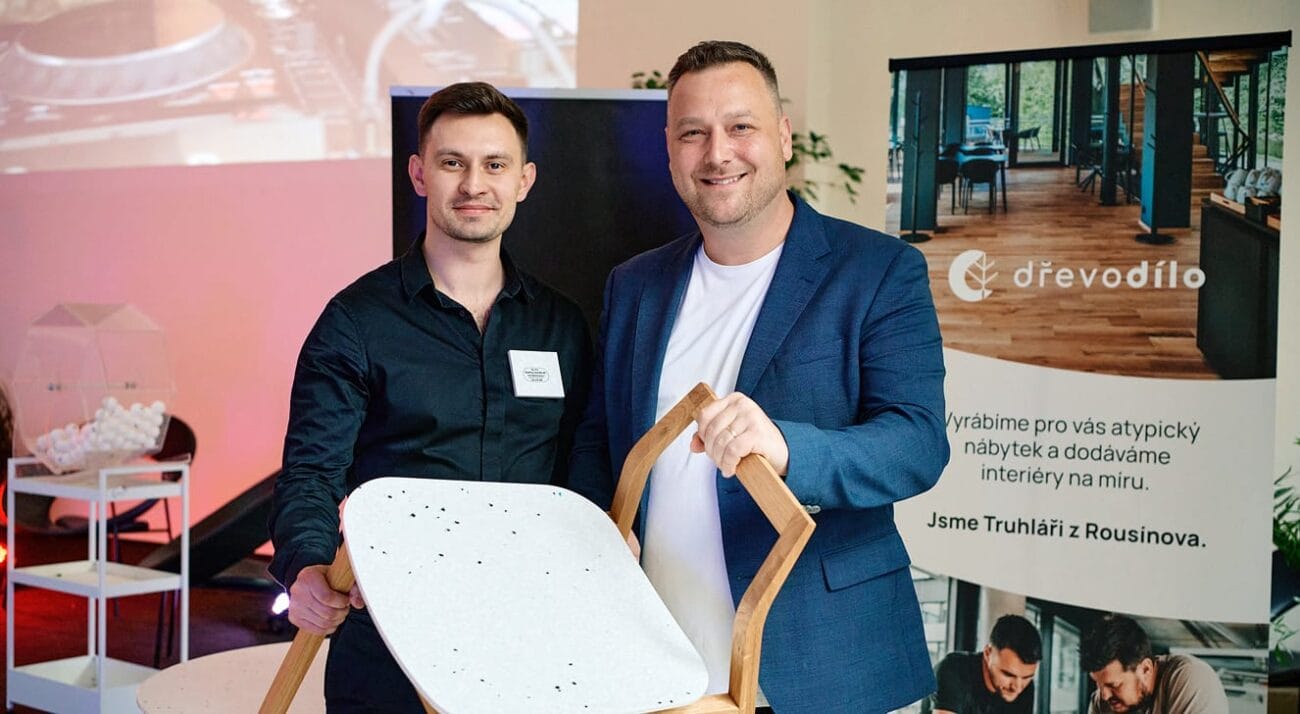
Alternative materials don’t stay at the testing stage here — they earn a permanent place in our product range. Experts have confirmed that combining honest joinery with ecology is a step in the right direction: the collection won the prestigious Furniture of the Year 2026 award.
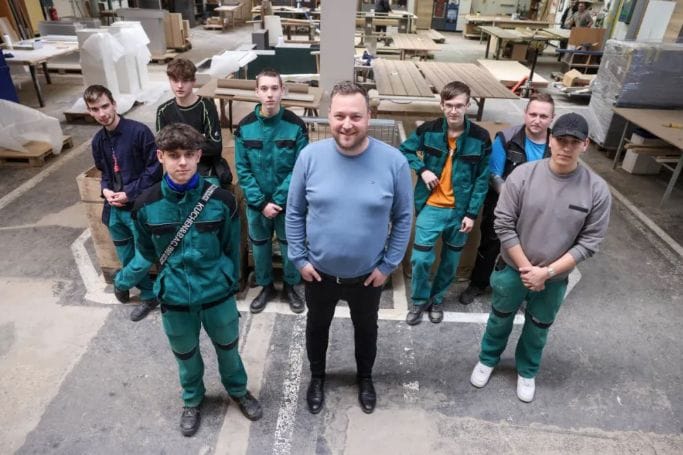
Our people come first. That’s why we make sure they work in a safe, healthy environment where quality equipment, protective gear and regular health-and-safety training are a given. In preparing to build the Shared Furniture Industry Centre (SCNP), the health and comfort of our staff played an important role. We put the same emphasis on fair pay. Our pay system guarantees that no employee earns less than a decent wage for the region. By 2030 we’ll also review pay for gender equality and remove any gaps. The aim is for more than 90% of employees to rate pay as fair.
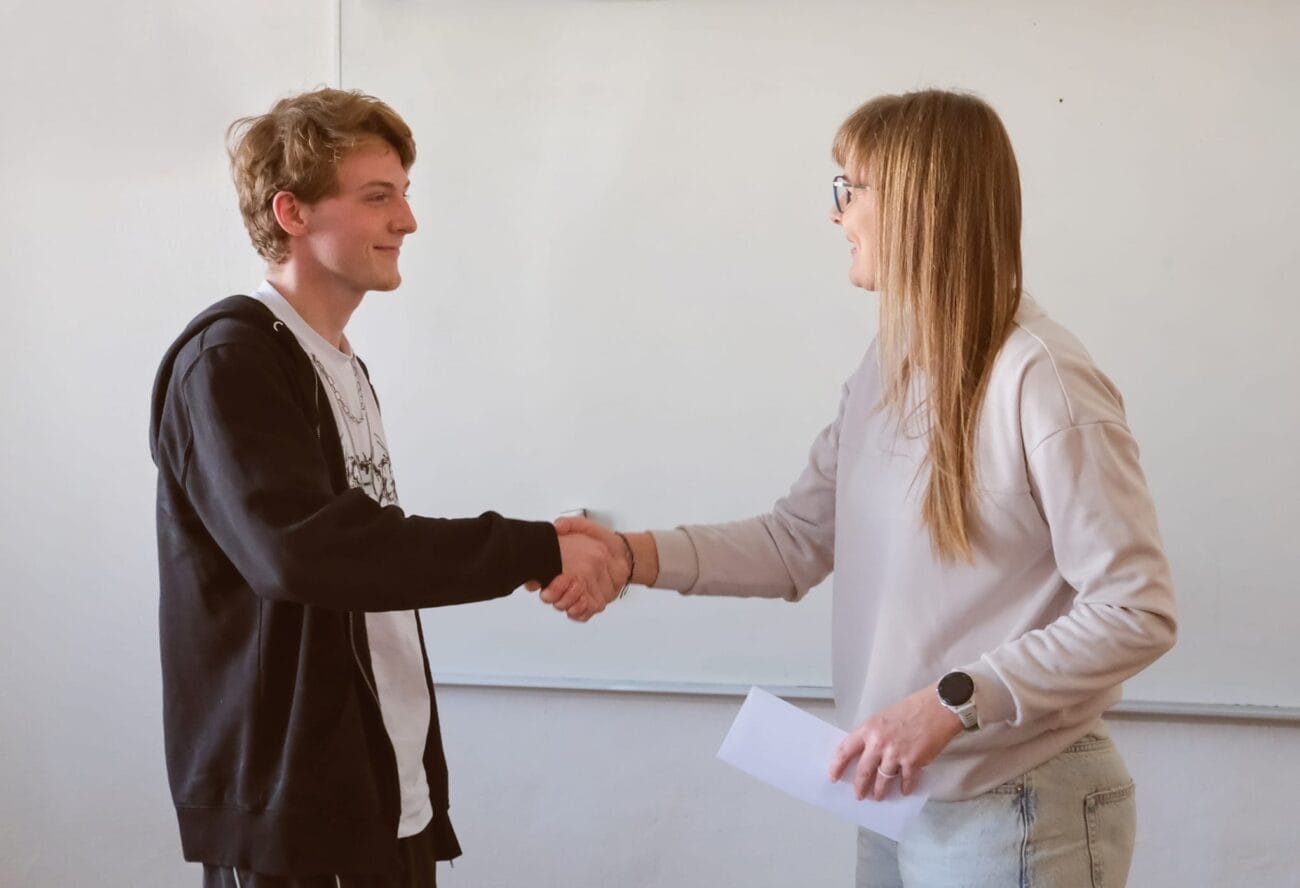
We work with secondary schools and universities. We offer young joiners placements on the shop floor, hand out starter toolboxes, and the best students we reward with scholarships. By 2030 we want closer cooperation with more schools in the region. Our long-term vision is to bring up a new generation of specialists and leaders in the furniture industry. We’re also developing people inside the company. Staff go through regular training, and in our internal business academy they build technical, management and communication skills.
We’re part of Rousínov and we want to contribute actively to life in our region. Every year we take part in community projects and we support local cultural and sporting events. We create jobs and help develop the place where we live and do business. Our long-term goal is to be seen by 2035 as one of the drivers of regional development. We’ll keep working on vocational education and supporting local non-profits. Our commitments also include improving the surroundings, for example by planting greenery at our new production site.
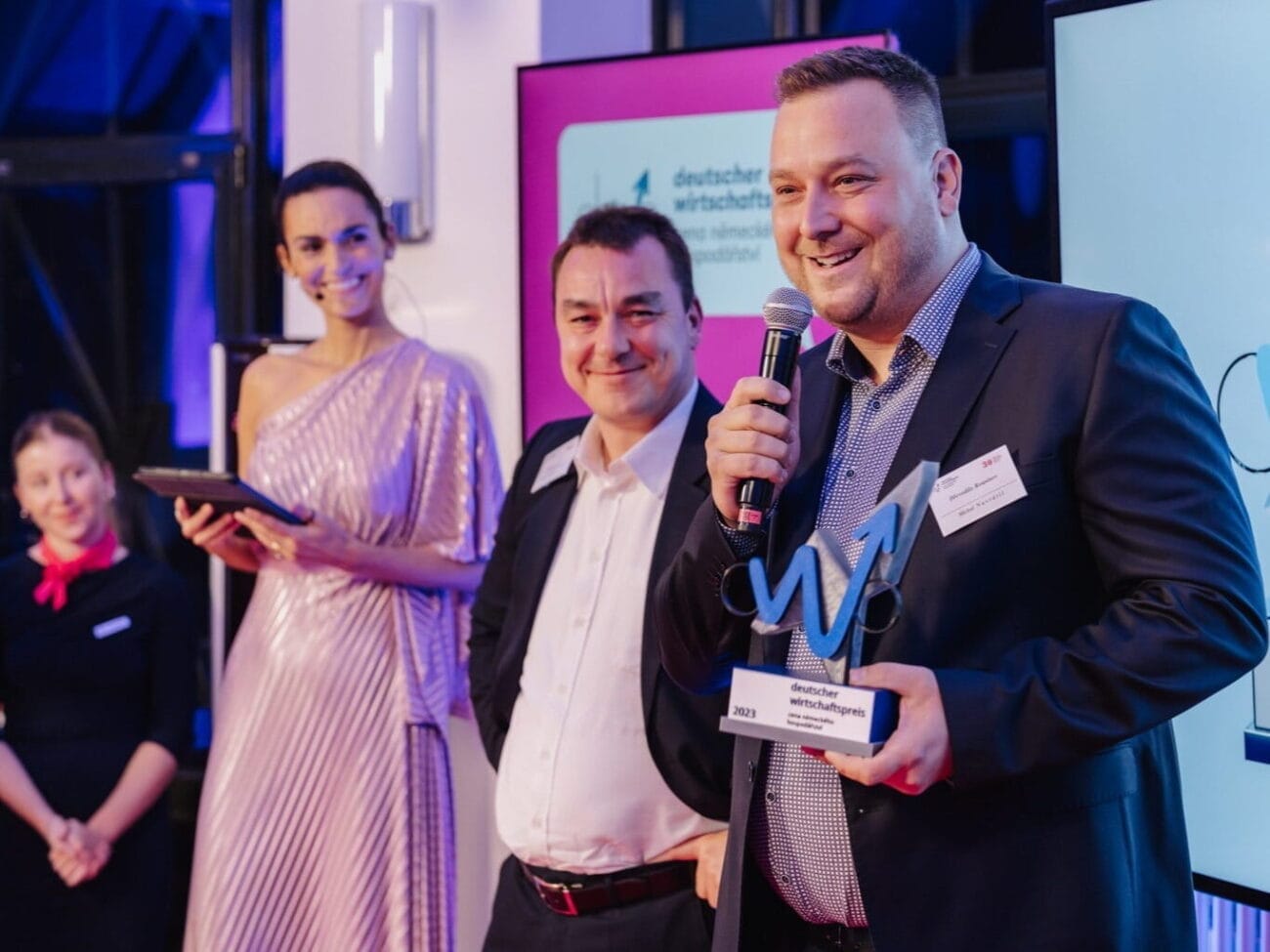
We’ve been recognised several times for what we do for sustainability, and we value every award.
The latest award came from the Czech-German Chamber of Commerce (ČNOPK), and it gave us huge energy and motivation for what comes next.
Our company values are ten clear principles. They guide our decisions and our relationships with employees, customers and partners, and they reflect our commitment to responsibility and fairness. We want to communicate them even more, especially to new colleagues, so they’re a natural part of the culture from day one. We believe clearly shared values build trust, encourage sustainable behaviour and are the key to long-term stability and responsible leadership.
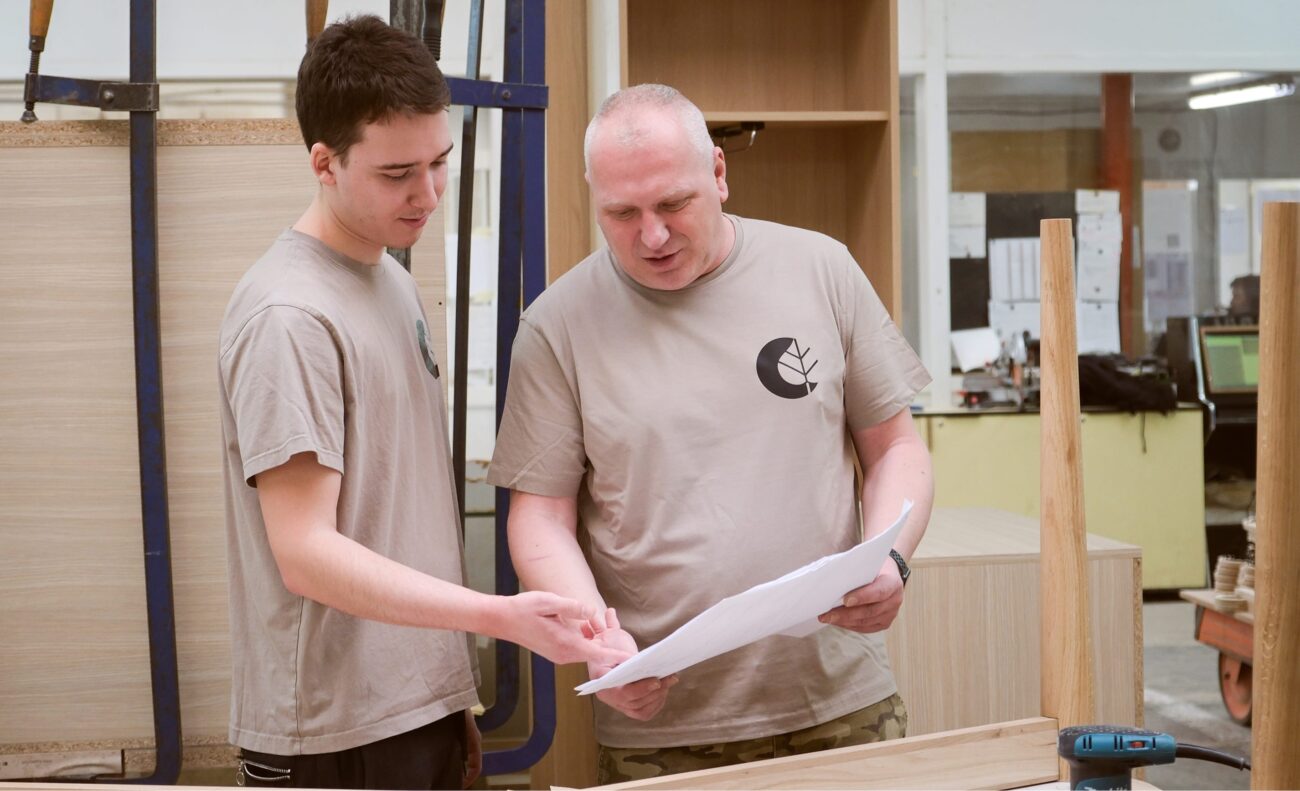
We have zero tolerance for corruption and unethical behaviour. By the end of 2025 we’re introducing a secure whistleblowing channel, guaranteeing anonymity and protection for employees. By 2030 all employees will be trained regularly in ethics and anti-corruption, with full participation from management. We’re also introducing procedures that prevent bribery, such as the four-eyes rule when dealing with suppliers. Our long-term goal for 2030 is an environment where ethical behaviour is a given and where employees trust that the company stands firmly by its principles.
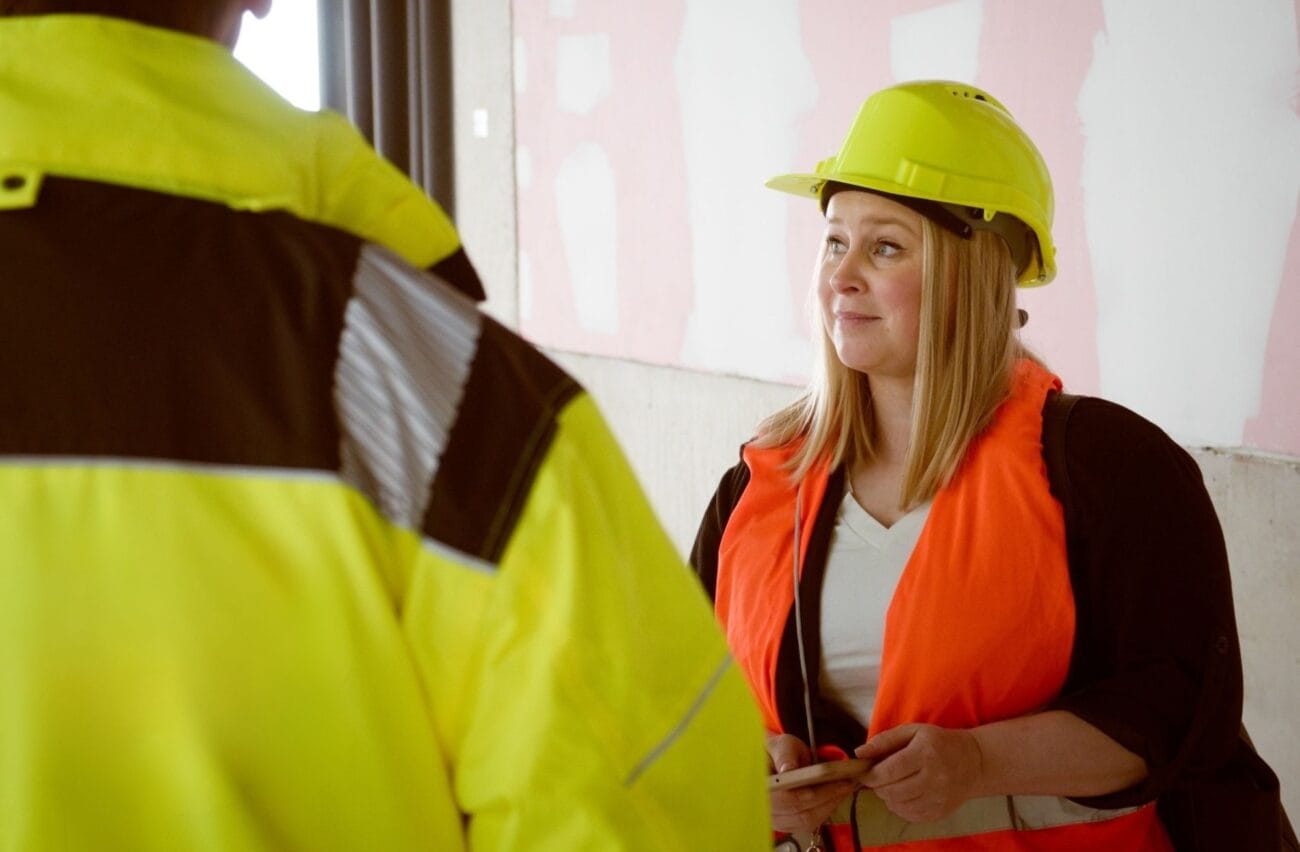
Openness and accountability are among our priorities. We want to report regularly on how we’re meeting our targets, above all on cutting our carbon footprint, which we measure and review every year. We’ll also share other ESG results and activities, so it’s clear where we’re heading and how we’re doing. Our aim is to build trust through open communication with employees, customers and the community.