The furniture production process: from idea to finished piece
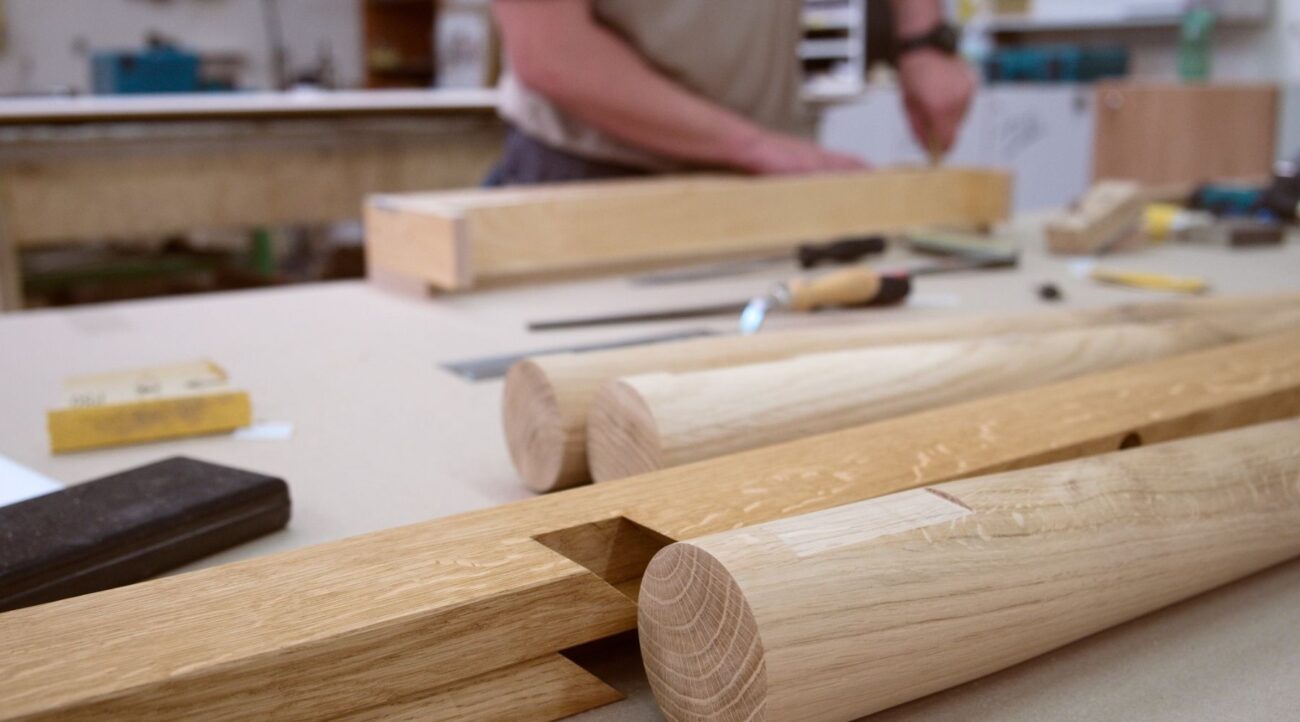
Have you ever wondered how a new piece of furniture comes about? At Woodever, behind every quality piece stand not only the skilled hands of our makers, but also thorough planning, deep experience and an eye for detail. Traditional handwork combined with modern digital joinery is what guarantees a one-off result, high quality and a long life. At Woodever we always look for the best way to bring together good design, real functionality, craftsmanship and a sensible price.
Let us walk through the whole process, from the first idea to the finished piece.
1. The idea: the first step to a one-off piece
Every piece of furniture has its story and it always begins with an idea that gradually takes concrete shape. An idea can arise in response to a specific need, as a creative impulse or as an inventive answer to a space. Ideas come from all directions:
– Private customers (B2C) – people often want something original for their home: bespoke furniture that fits their interior perfectly and reflects their personal style.
– Companies (B2B) – restaurants, hotels, offices and other commercial spaces need furniture that looks great and is distinctive, but also practical and hard-wearing.
– Our own team – we keep working on new products for our range, follow trends and look for ways to develop our craft methods.
– Designers and architects – we often work with professionals who have their design ready and need a reliable maker to turn it into reality. This collaboration produces original, timeless pieces.
.- Students – creative young people often bring fresh ideas through their school projectsthat can lead to unique designs. Woodever has long supported young talent through projects of its own.
2. The brief: from first thought to a clear plan
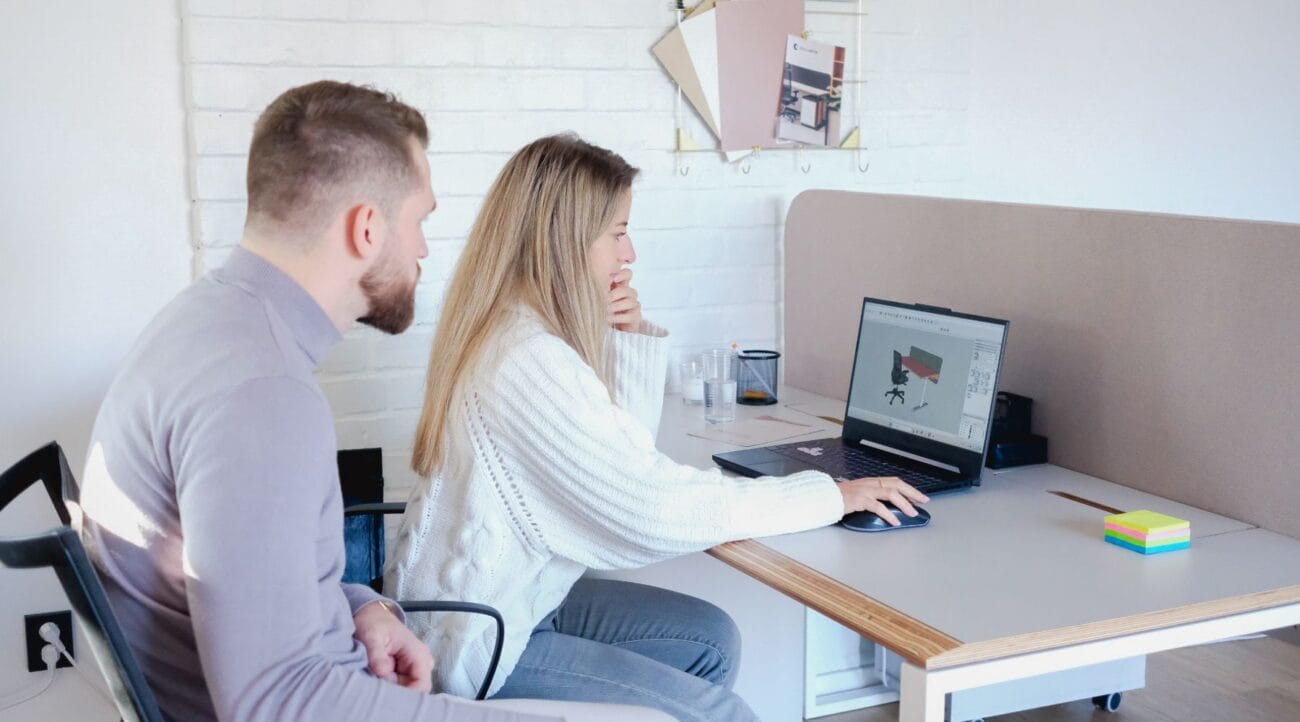
Wherever an idea comes from, it needs a clear brief before it can become a real product. The brief is the bridge between the vision and the finished product – it defines the look, the materials, the dimensions and the overall concept. The clearer the brief, the smoother the whole design and production process.
Sometimes a customer knows exactly what they want and brings a specific design, exact dimensions and a material choice. Then the process is fairly straightforward and only the technical detail needs settling.
Other times a customer arrives with only a rough concept or an idea of style, colours and function, and relies on our expertise. This is where our specialists step in, help define the detail and build a design that meets both the requirements and what production can deliver.
The brief also differs depending on whether it is standard furniture made in series, or non-standard furniture made to measure, where every piece is handled individually.
3. The designers: from sketch to visualisation
The designer’s job is to turn the first thought into a concrete design. A designer needs a feel for detail, knows ergonomics and knows what is technically feasible. The process is careful and considered, because everything downstream depends on a good design. From first sketch to detailed visualisation, it goes like this:
– Hand sketches – sketching by hand allows free experiment with variants before any detailed work begins.
– Digital visualisation – we build 3D models in specialist software. Proportions and dimensions can be adjusted easily, long before production starts.
– Colour and material selection – colour and materials shape the final impression. Beyond looks, we weigh practicality, scratch resistance and ease of maintenance.
Thanks to modern technology, the customer can picture the furniture in detail while it is still on the drawing board. At this stage colours, materials or small construction details can still change. That minimises the risk of misunderstanding and makes sure the finished product matches expectations exactly.
4. Engineers take the ideas off the paper
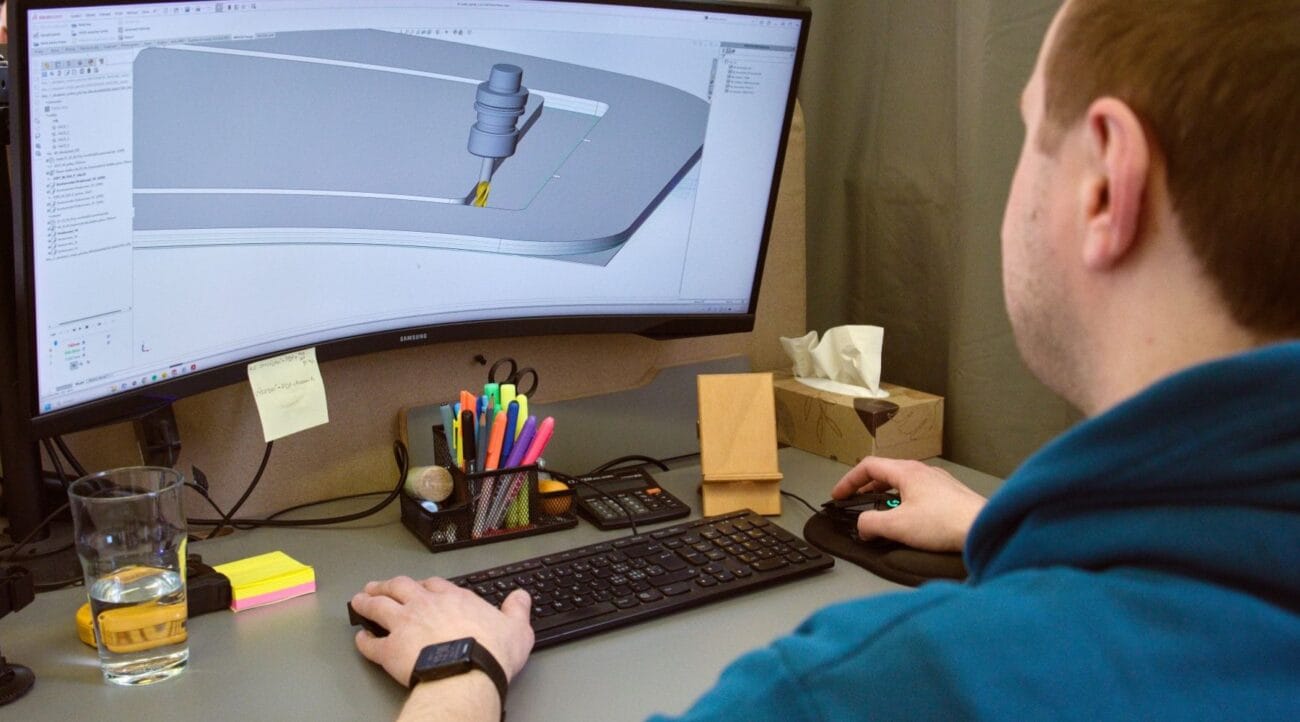
Once the budget is approved, the engineer takes over, translating the design into something that can actually be built. That involves:
– Technical documentation – precise drawings and specifications.
– Material selection – quality, function and looks.
– Construction detail – joints, load capacity and strength.
The engineer has to connect creativity with reality and work out a solution that holds up so the piece looks good, stands firm, works and lasts. At the same time, for the sake of sustainability they use material as efficiently as possible, so no needless waste is created.
5. The joiners start production
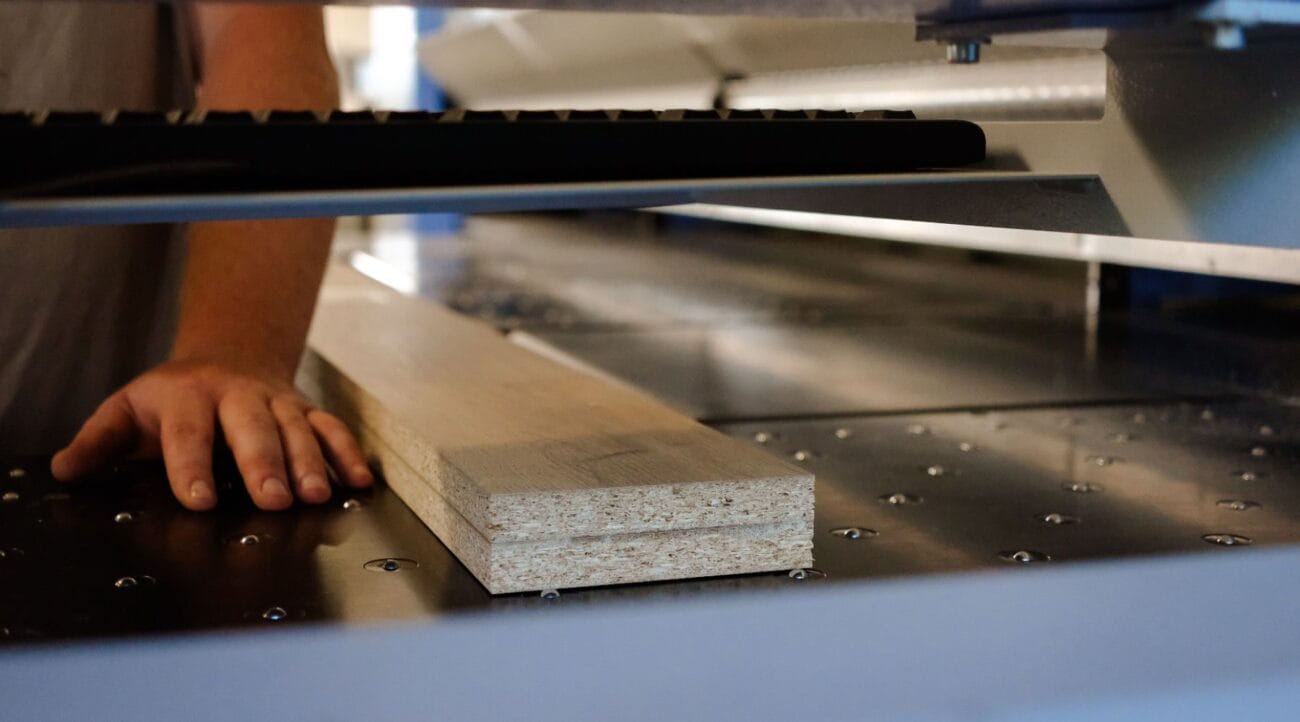
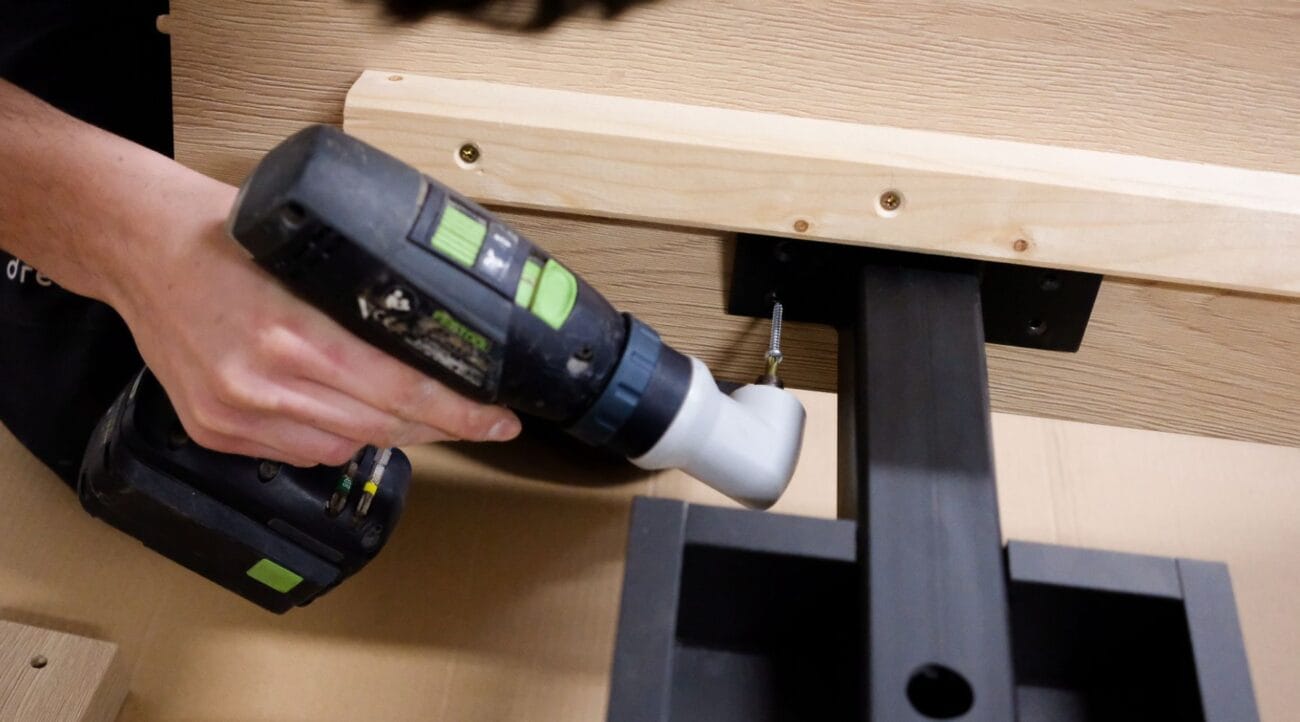
With everything ready, the heart of the process begins: production in the hands of experienced masters of the craft, the joiners from Rousinov. They work with precision and attention to detail so that every piece meets the highest standard. Production involves:
– Material selection and preparation – cutting, routing, planing.
– Joining and assembly – traditional and modern techniques alike.
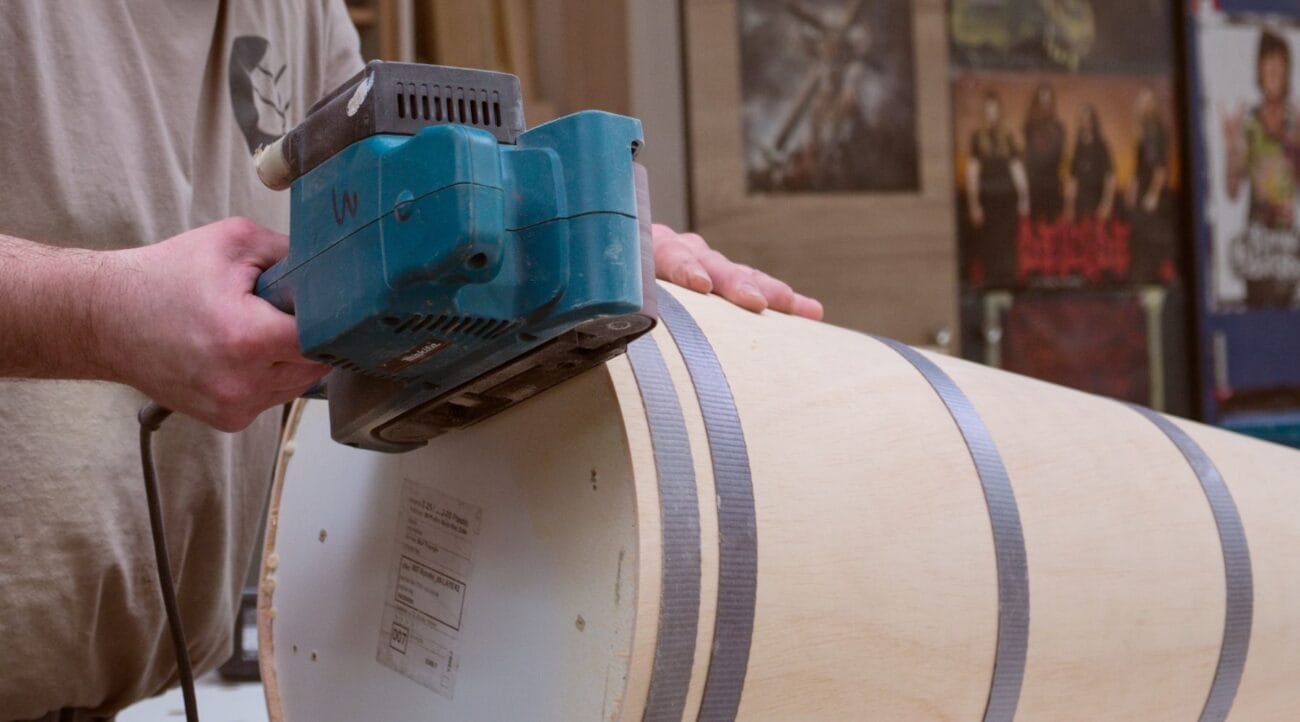
– Hand finishing – sanding, lacquering, oiling.
Unlike factories where furniture rolls off a conveyor, at Woodever we check every step so the result is right.
6. The prototype: the first real-world test
Before we go into series production or finalise a one-off, we often build a prototype. It lets us test:
– Stability and strength – whether the structure is robust enough.
– Ergonomics – comfort and practical use.
– Appearance – does the reality match the original design?
Prototyping is a crucial phase. It is what brings us close to the final form.
7. Fixing faults and final adjustments
Testing sometimes turns up small shortcomings, so a final round of adjustment matters:
– Structural repairs and changes – reinforcing joints, adjusting dimensions.
– Finishing work – lacquering, staining, waxing.
– Feedback– a last consultation with the customer.
Once everything is right, the furniture is ready to ship.
8. Naming and marketing support
For a new product in our product range, the marketing team gets involved too. They handle:
– Product name and description – they have to capture its character and strengths.
– Photography and presentation – professional images and visualisations.
– Communication strategy – advertising, social media, catalogues.
With marketing support our furniture finds its customer more easily.
9. The end of the process: the finished piece is ready for the world
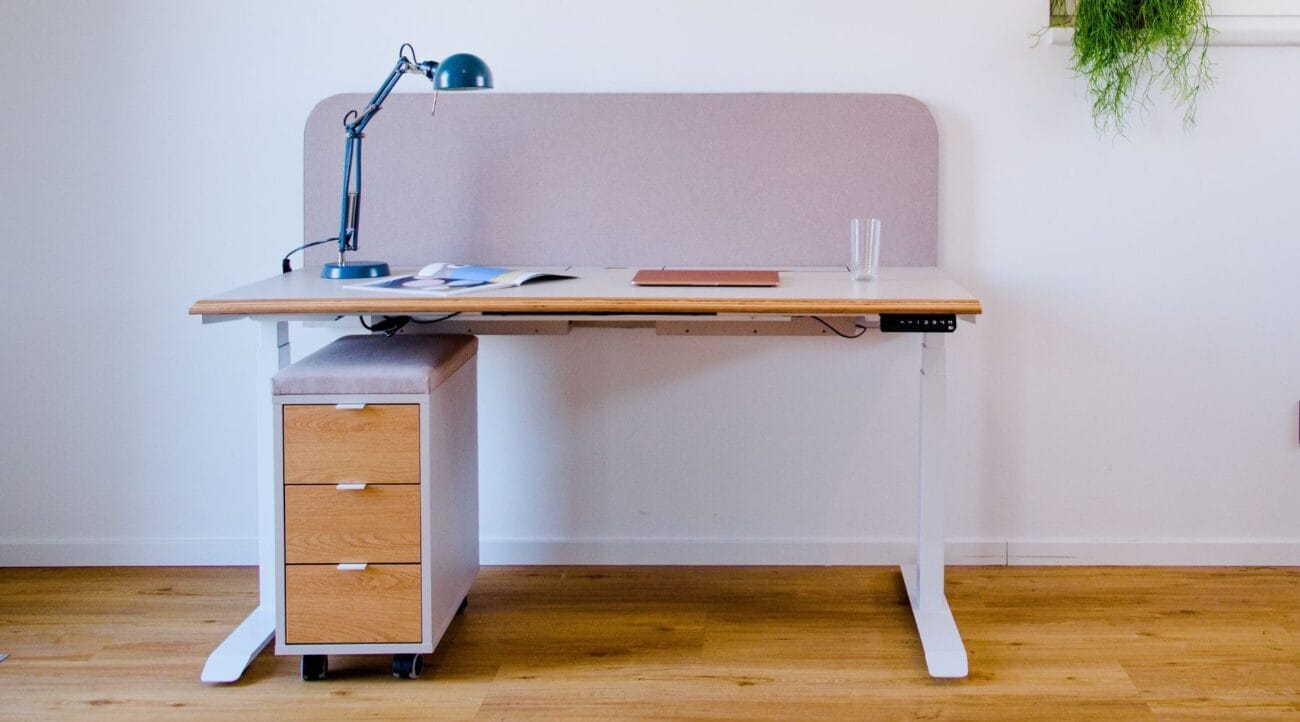
After months of planning, designing and making, the furniture is finally finished. Every piece carries the mark of honest joinery. Whether it goes to a private flat, an office, a hotel or a restaurant, we trust it will serve for years and give pleasure to the people who use it.
Next time you sit down at an office desk, you may remember how much care and work stands behind it.