Office ergonomics: how furniture affects health and performance
We spend most of the working day in an office sitting down – at a desk, in front of a monitor, hands on a keyboard. The days pass in much the same rhythm, and it is this unremarkable routine that has a bigger effect than it seems. The small things we rarely notice can, over time, affect our health, our state of mind and our performance.
Ergonomics is the discipline that sets out to prevent that. It is not a privilege of large companies but a basic requirement of any workplace where people are meant to stay healthy and focused.
What is ergonomics? And why a comfortable chair is not enough
The word ergonomics is sometimes used as a synonym for comfort, but it means more than that. A comfortable chair can feel pleasant for a while; a good ergonomic chair looks after how your body copes with the workload across a whole day. It is about adapting the workplace to the person, deliberately – to their height, their habits, how they move. It looks not only at how we sit but at how we reach for what we need, how often we move and how we find our way around. A good ergonomic solution supports the natural rhythm of the body and reduces needless strain.
The most common complaints in offices without ergonomics
Back pain, a stiff neck, tense shoulders, burning eyes – all of these turn up in offices more often than you would expect. Many people take them as an unavoidable side effect of computer work. In reality they often come from a badly designed workplace. A desk that is too low, a chair without support, too little natural movement or a badly placed monitor – all of it leaves its mark on the body. The result is not just physical discomfort but poorer concentration, fatigue and irritability. Which shows up in the quality of the work.
Ergonomic furniture: what should not be missing
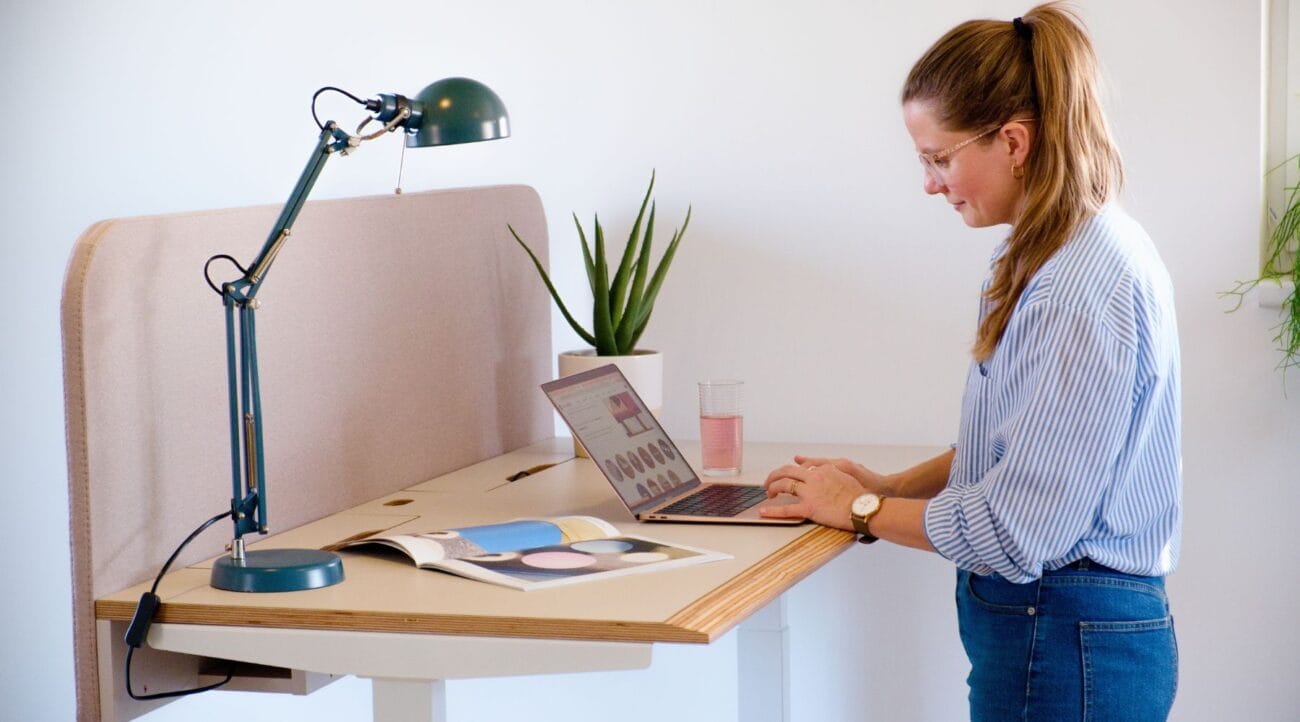
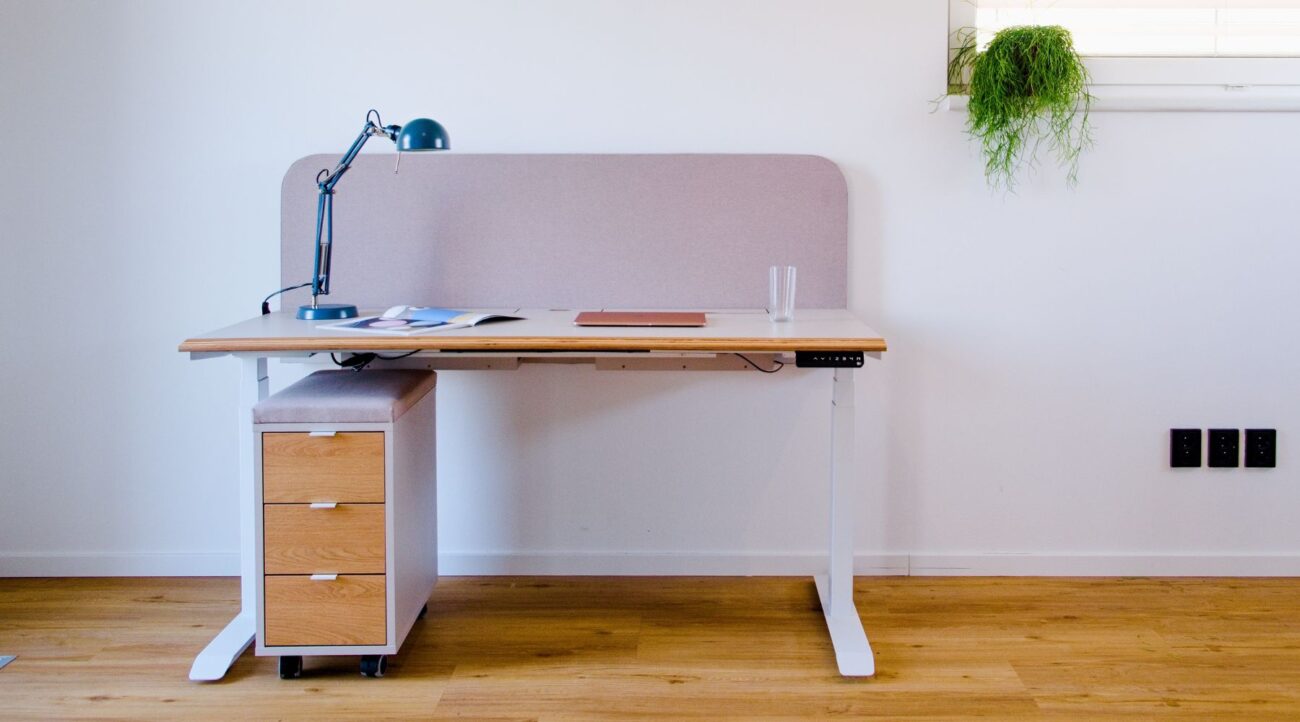
A height-adjustable desk is becoming the standard in a modern office. It lets you switch easily between sitting and standing, which helps circulation, attention and the prevention of back pain. Electric versions adjust smoothly at the touch of a button and suit several users with different needs. Manually adjustable desks are simpler and more affordable, and serve smaller teams or home offices well. What matters is that they let you respond to changing needs during the day.
The size of the work surface also has a decisive effect on comfort. Designers and architects need more room for a monitor plus drawings or printed material. Administrative work manages with a smaller top. What matters is that the desk area matches the kind of work and that everything needed is within reach without stretching. Too small a desk means constantly shifting things around; too large a one can be inefficient.
Storage in an office, such as pedestals on castors or cabinets, often gets overlooked, yet it has a real effect on comfort and order. Mobility makes documents and supplies easier to reach and the space easier to rearrange. Placed well, storage also cuts out needless bending and awkward movements. Good storage does not clutter a space; it keeps it legible and keeps the working rhythm going.
Setting up a workstation properly
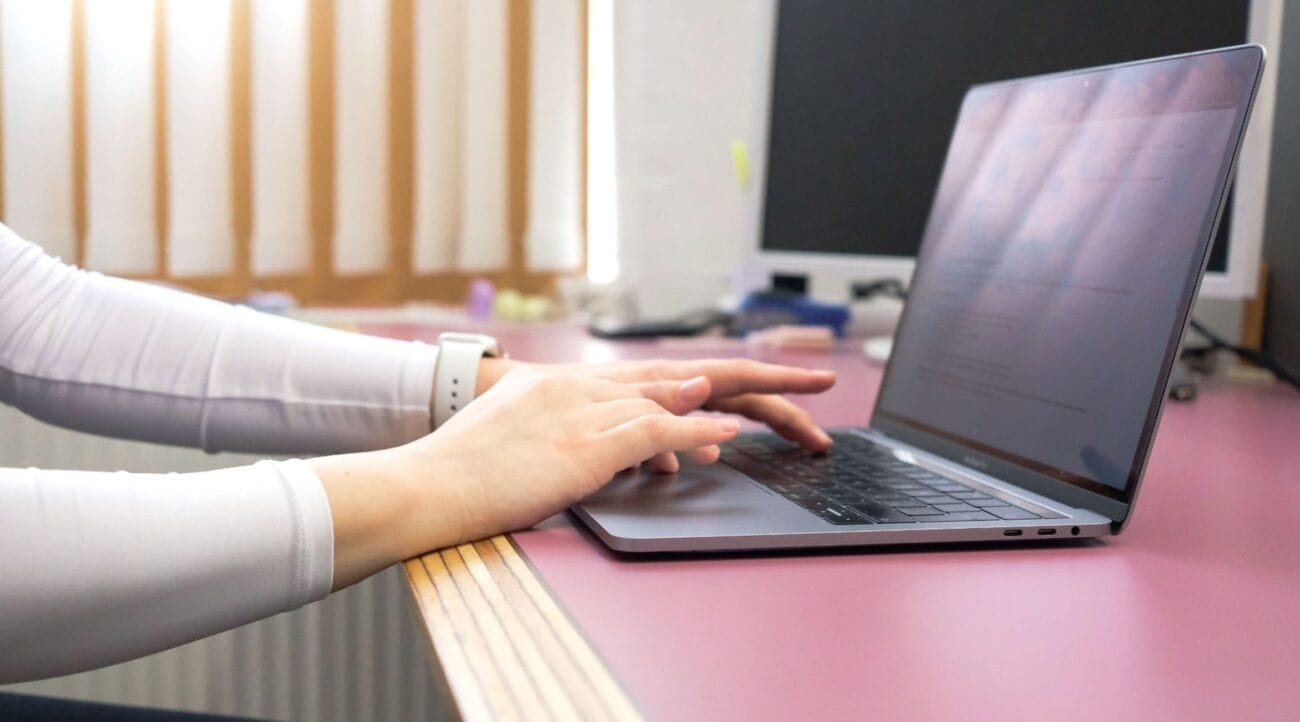
Even the best furniture fails if it is set up badly. Desk height, monitor position, keyboard and mouse placement, support for the back and feet – all of it counts. The monitor should sit roughly at eye level and the arms should rest easily on the desk. It also helps not to strain the wrists, which is why it is worth working at a desk with a chamfered edge. Feet should rest firmly on the floor, knees at a natural angle.
Everyone is different, which is exactly why a workstation should allow individual adjustment. A well-designed space does not impose one correct way to sit; it offers a framework in which everyone finds their own.
Dynamic sitting and micro-movements
The human body is built to move. Long static sitting does not suit it. Even small changes of position during the day, so-called micro-movements, help activate muscles, keep the blood moving and improve concentration. That is why ergonomic chairs allow slight movement forwards, backwards and sideways without losing stability.
Alternating positions helps too – working standing for part of the day, or using a balance board. These small changes have a surprisingly large effect on how you feel by the evening.
Breaks, zones and movement in the office
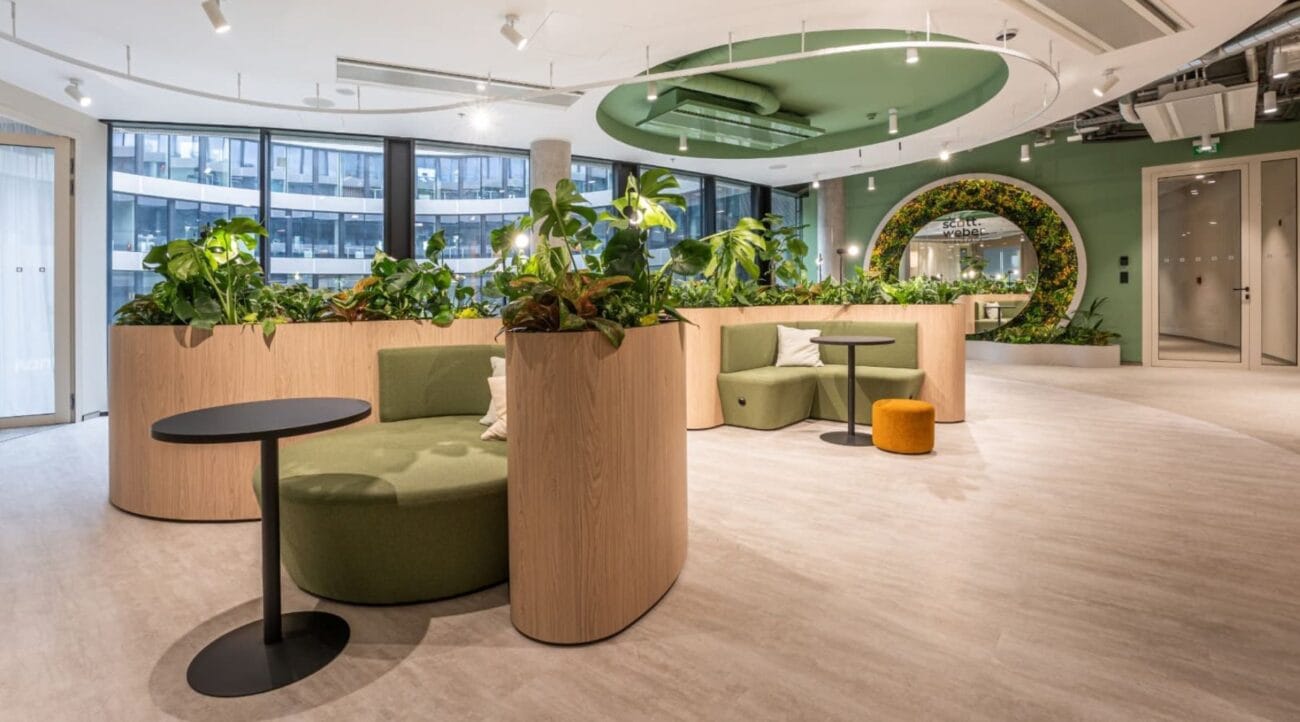
Ergonomics is not only about sitting but about movement through the whole space. An office that supports natural movement between different zones – between a workstation, a break-out area and a meeting room, say – helps both body and mind keep their energy. Being able to stand up, walk a little and change surroundings for a moment reduces fatigue markedly.
A well-designed space supports a rhythm in which focused work alternates with short breaks. That pattern raises productivity and lowers the risk of burnout.
Emotional ergonomics and wellbeing
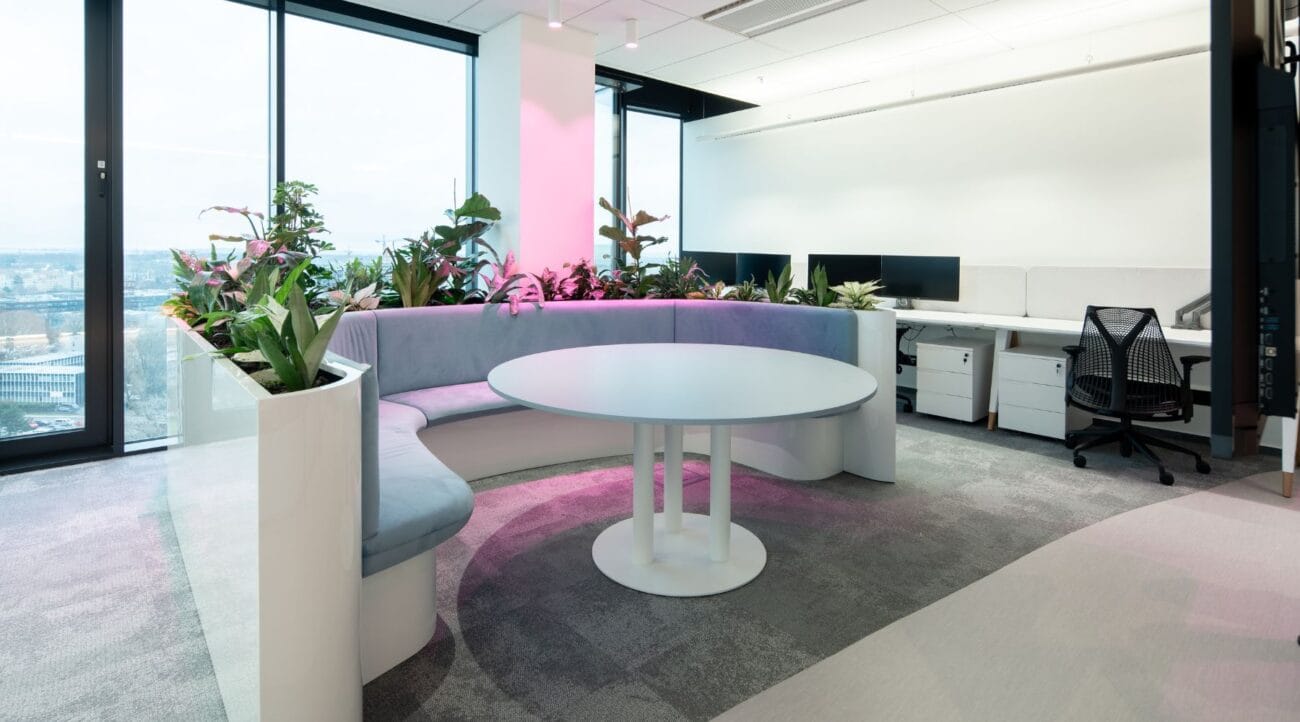
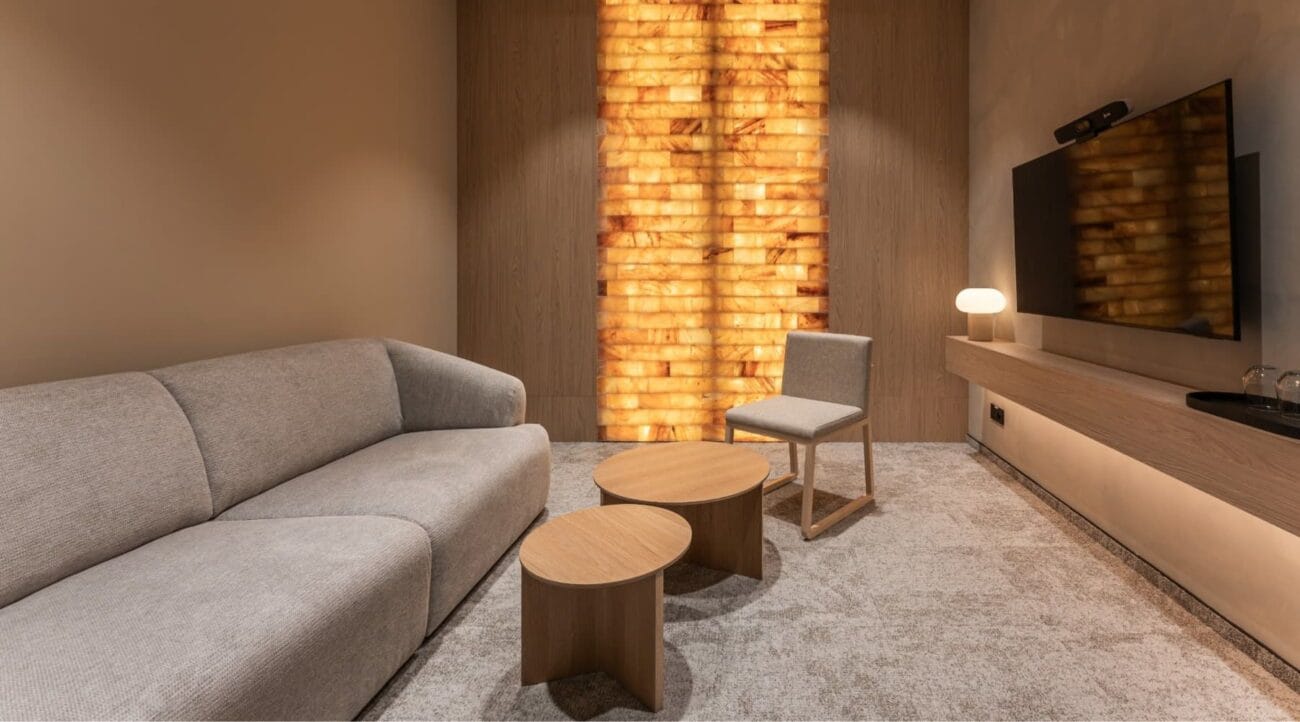
The body responds not only to physical conditions but to the atmosphere of a place. Light, colour, materials – all of it shapes mood, stress levels and the ability to concentrate. Natural light supports the body clock, while harsh fluorescent lighting causes fatigue. Colour works the same way: soft tones calm, stronger ones stimulate.
The materials we meet during the day play their part too. Wood has a different character from metal or plastic – it feels warmer, more natural. The materials chosen and the way they are finished affect our wellbeing without our noticing. Emotional ergonomics is an important complement to the physical kind.
Work-life balance and the role of the space
A space that respects what people naturally need supports not just performance but the balance between working and personal life. It is not about filling the office with hammocks and a pool table. It is about creating a space where you can be quiet for a while, concentrate, or work with others, depending on what the moment calls for.
A good workplace is flexible. It gives people a choice, which is what makes satisfaction and a sustainable pace last.
Investing in ergonomics is investing in the future of the company
A healthy workplace is not a luxury. It is a considered approach to creating places where people spend a large part of their day. Ergonomics helps prevent health problems, improves concentration and raises the sense of wellbeing. And when people feel good, they work with more appetite, more calm and more focus.
Want a workplace that is genuinely ergonomic – functional, considered and fitted to people? At Woodever we design and make bespoke office furniture that supports health, concentration and the daily working rhythm. We will gladly take you through the whole process, from first thoughts to installation. Just arrange a meeting.