Curved furniture: the trend reshaping interiors
Interiors are changing. Sharp edges and strict geometry are giving way to softer, friendlier shapes. Curves are becoming a defining feature of contemporary furniture. Soft lines bring a different energy to a space, support a calmer atmosphere and match how we now think about both looks and function.
Why have they become the new standard? And what does the shift involve?

What do we mean by curves?
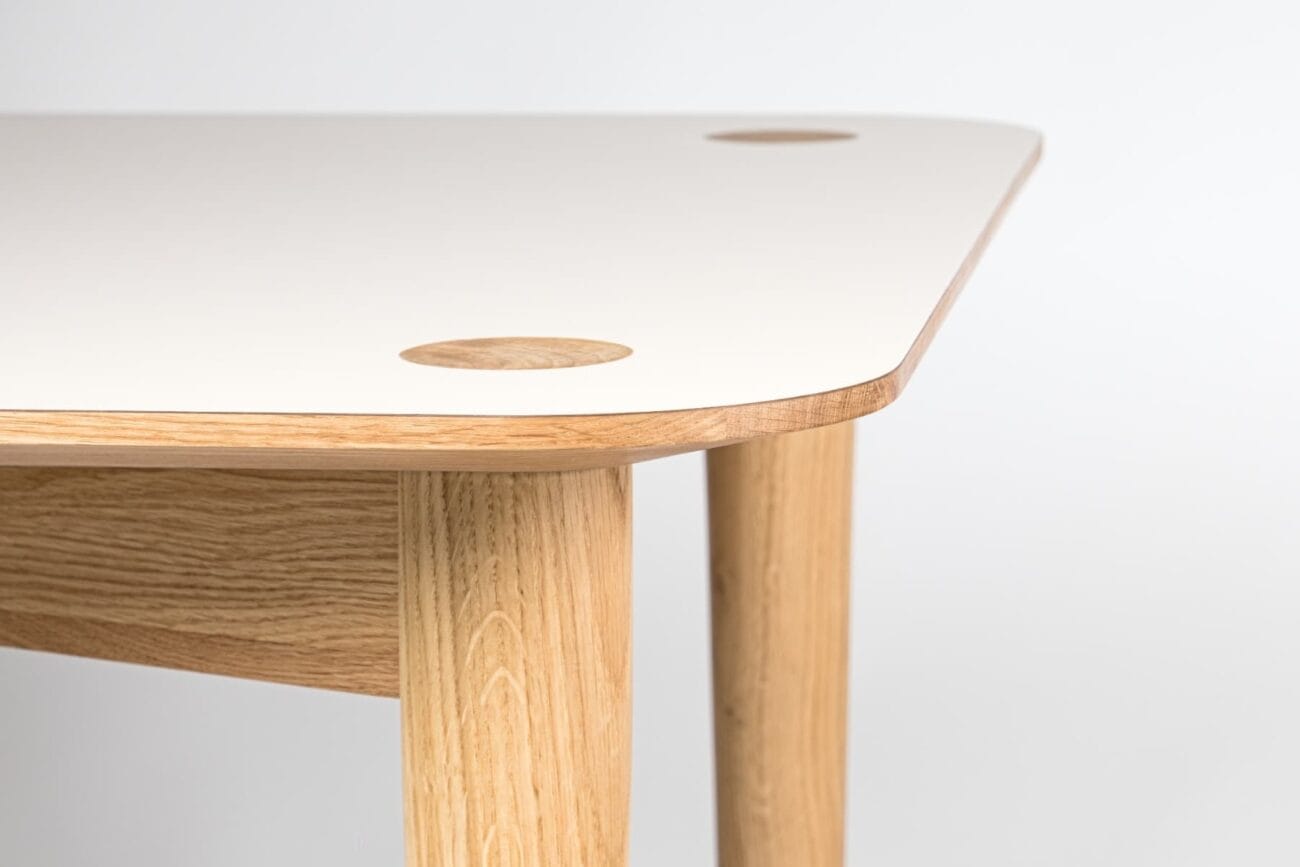
Curved furniture does not only mean oval tables and round armchairs. Often it is gently rounded edges on table tops, curved cabinet fronts or gracefully shaped backrests.
It is a softening of the line that makes furniture friendlier and better integrated into a space. These details contribute to a smooth visual flow and feel organic without disturbing the composition around them.

Why are curves back in favour?
Curved forms are nothing new. They appeared in art deco, in 1960s design and in the organic movements of the 1970s. We are returning to them in a new context: they answer a need for comfort, softness and greater harmony in a space.
Softening the edges visually links the separate zones and creates an environment that is open without being distracting. Curved furniture reads as natural rather than technical, which is why it is an increasingly common choice at home and at work.

Curves for comfort and for safety
The aesthetic benefit is obvious, but there are practical advantages too. Rounded edges improve safety, especially where children are about or where a lot of people are moving.
Softer shapes are pleasanter to touch and they support natural movement through a space, without needless obstacles. They feel calmer, more discreet, and they suit an environment meant to be both functional and pleasant. Being timeless, they also survive the trends changing around them.
Production demands precision
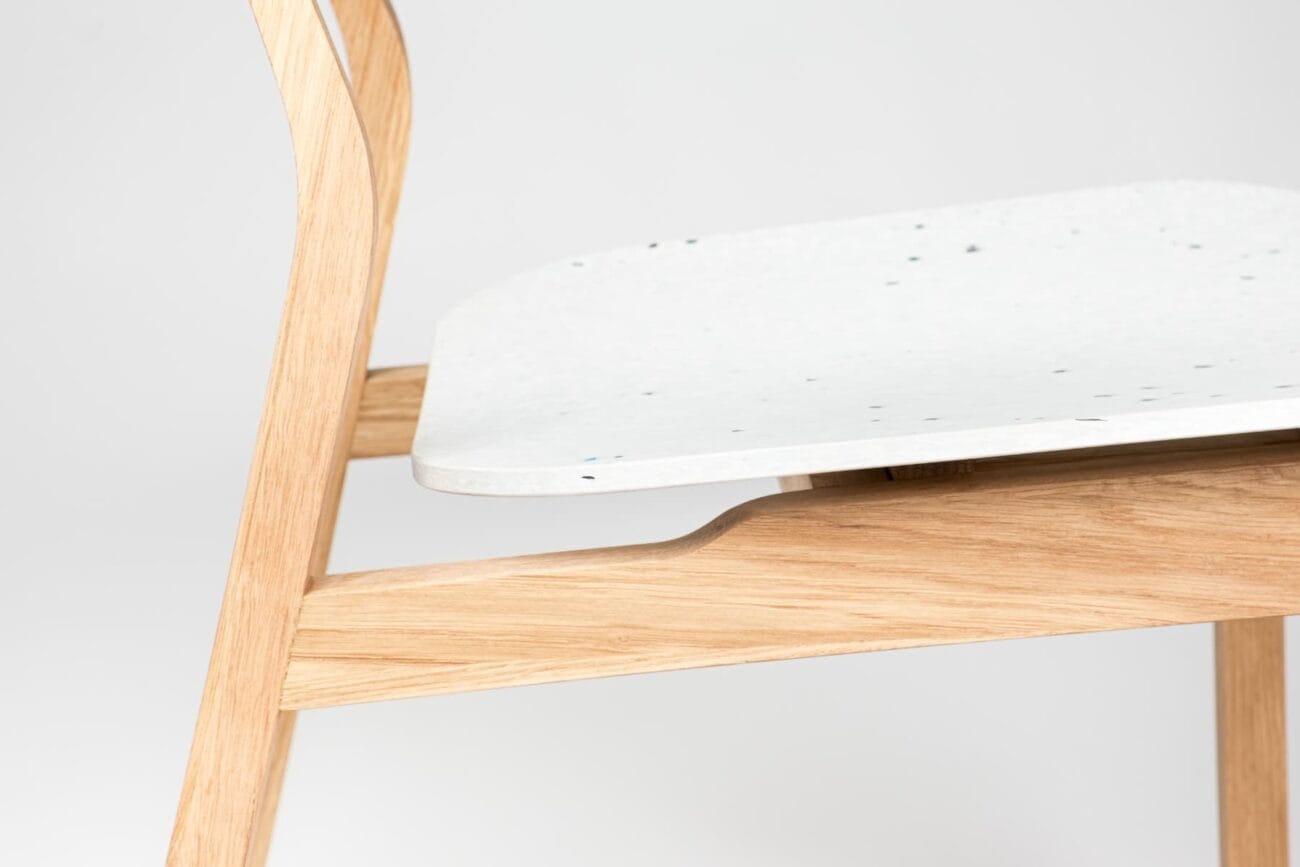
Making curved furniture is harder than making square forms. It calls for a feel for the material, precise planning and careful execution.
At Woodever we work with materials that we can bend and shape into a curve – veneer, plywood, plastics, melamine-faced board and HPL-faced panels. Every part is then finished by hand so everything flows together and reads cleanly in the detail and as a whole.
The care we put into every curve is an investment in quality you notice in daily use.
How curved furniture changes an interior
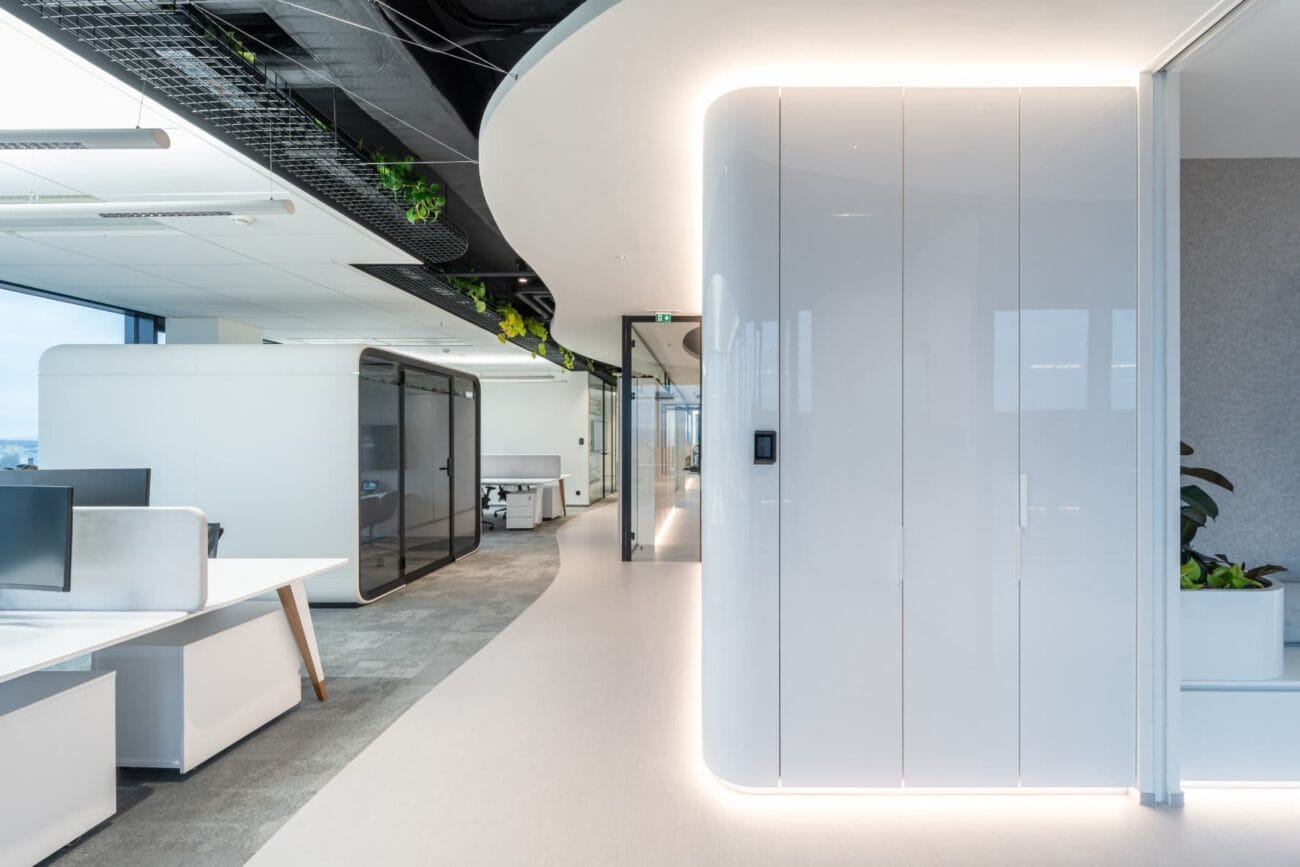
Organic shapes work across furniture types – desks, storage, meeting-room suites.
In offices they help create natural transitions between workstations, break-out areas and meeting rooms. Combined with natural materials, living greenery, soft lighting and muted colour, they support an environment that helps concentration while staying visually refined.
Organic shapes are not a one-season trend
Curves are not a stylistic game. They reflect a shift in how we work, how we perceive space and how we relate to the environment in which we spend most of the day. They help create interiors where it is easier to concentrate, easier to talk and calmer to be. It is not about how furniture looks on its own but how it behaves in the context of the whole space.
Curved furniture turns a working interior into something technically precise and at the same time human. A place where form does not fight function but works for it.
If you are considering a solution that will stand the test of time and work well day to day, we are ready to help with both design and delivery. Get in touch – we will design and build a solution tailored to what you need.